
Strategies
Introduction
Strategies in Culdcept The First combine dice rolling, territory control, deck management, and opponent prediction. The best players master all four pillars: knowing when to take risks with dice rolls, choosing which territories to contest, managing card flow, and predicting opponent moves. This guide covers beginner through advanced strategies, including dice odds, territory priority, hand management, and psychological play.
Strategy Pillars
| Pillar | Importance | Key Skill | Mastery Level |
|---|---|---|---|
| Dice Rolling | Critical | Probabilistic pathing | Beginner |
| Territory Control | Critical | Toll optimization | Intermediate |
| Deck Management | High | Card flow timing | Intermediate |
| Opponent Reading | Medium | Pattern recognition | Advanced |
Core Mechanics
Dice rolling is the primary movement mechanic. Each roll gives 1-6 spaces of movement. Strategic dice usage involves choosing which paths to take based on probable rolls — high-probability routes for safe plays, calculated risks for high-reward shortcuts. Territory control means capturing unclaimed territories with creatures, then defending them against opponent landings. The toll system means contested territories generate income. Hand management involves deciding when to play cards versus holding for combos. Opponent prediction involves reading their deck and likely plays based on their actions.
Challenges
Dice-based movement is inherently random — even with perfect strategy, a bad dice roll can lose a turn. Over-focusing on one pillar (e.g., always chasing Magic Books) can leave territories undefended. Predicting opponents is hard in early games when their deck is unknown. Some strategies (e.g., rush) require specific dice rolls to execute, leaving you vulnerable if rolls don't cooperate. Item and spell usage timing is critical — using too early wastes them, using too late lets opponents counter. Player skill differentials mean strategies that work at high rank may fail at low rank and vice versa.
Featured
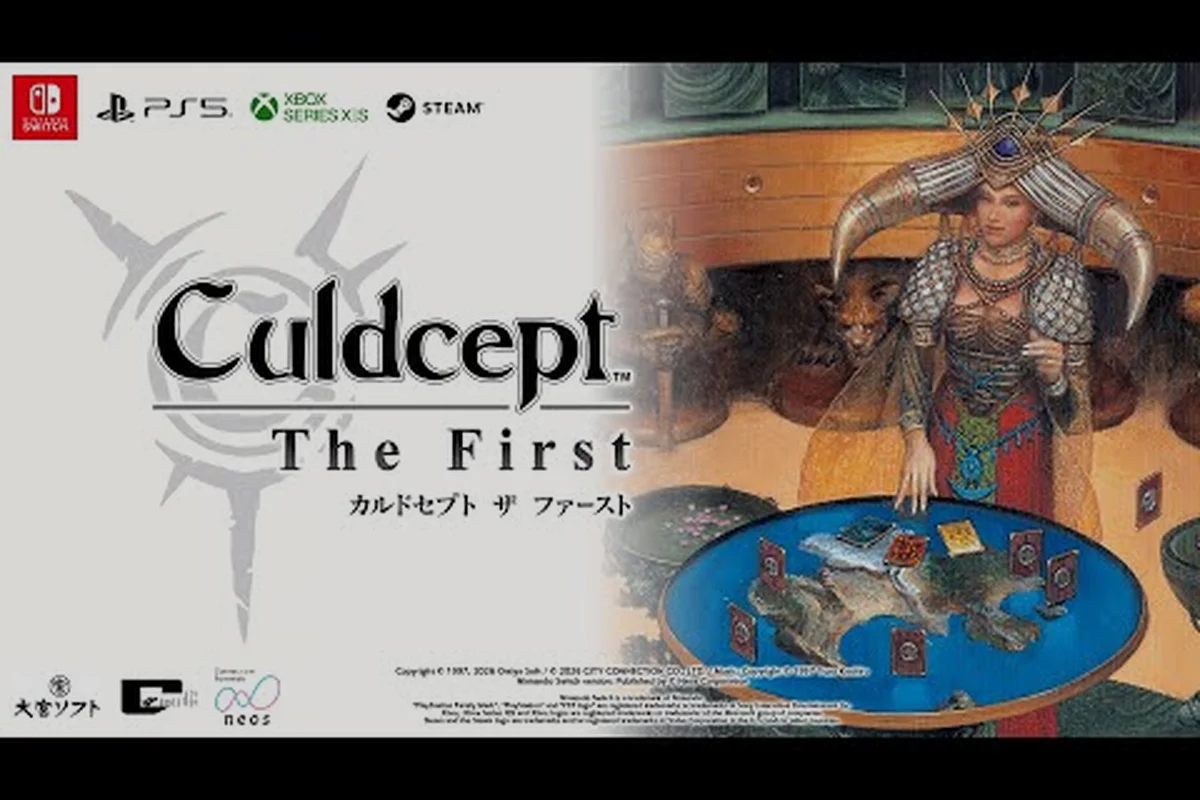
Mastering Chain Combos in Culdcept The First 2026 Guide
Unlock devastating territory chains with element synergy strategies in Culdcept The First. Learn mono, dual, and mixed Book builds for board dominance.

Endgame Race Strategy: Win Culdcept The First Matches
Master endgame races in Culdcept The First. Learn positioning, threat assessment, and target priority to secure victory in the final laps of any match.
Aggressive Rush Strategy Guide for Culdcept The First
Master high-speed territorial expansion with aggressive rush strategies in Culdcept The First. Learn core Book construction, early-game sequencing, and.
All Articles
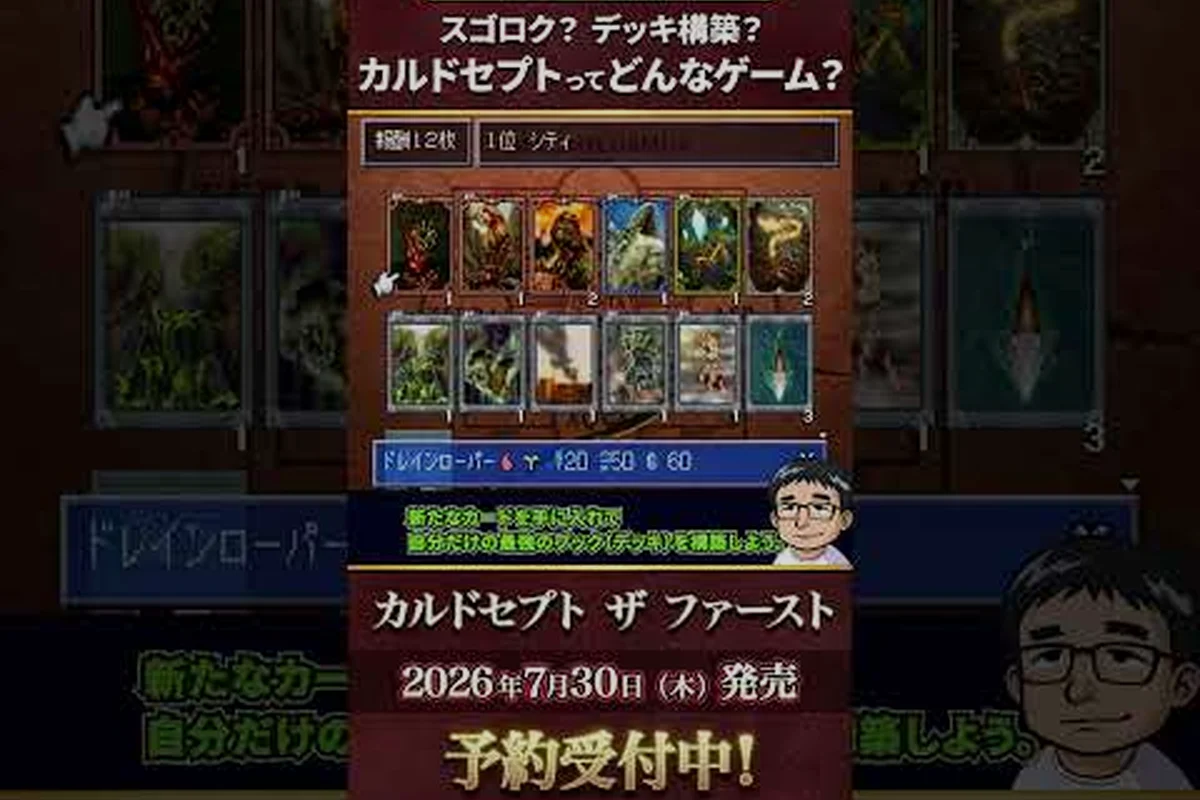
Save Spell Usage Mastery: Control the Board in Culdcept The
Learn how to wield Save spells for board control, card advantage, and tempo in Culdcept The First. Discover timing secrets, Book synergy, and match-up.
Culdcept The First Advanced Strategy: Deck Building and Meta
Master Culdcept The First's 2026 remake with advanced deck building strategies, mana curve optimization, and competitive meta analysis from OmiyaSoft and CITY.
Mastering Territory Denial: Toll Optimization and Control
Unlock advanced territory denial strategies in Culdcept The First. Learn to optimize tolls, control enemy movement, and dominate the board through strategic.
Mastering Win Conditions in Culdcept The First Pro Play
Analyze primary and secondary win conditions in Culdcept The First to counter anti-meta decks and optimize high-level Book strategies for 2026.